Winter in Oklahoma is not steady. One week feels mild, the next brings a hard freeze, sleet, or ice. That inconsistency is what causes the most damage to landscapes. Most issues we repair in spring started with something small that was overlooked in winter.
Protecting your landscape is not about doing everything. It is about knowing what is most vulnerable and addressing those areas before weather turns.
Oklahoma landscapes are built to handle heat, wind, and drought. Cold is different. Freeze events cause damage when water expands, soil shifts, and plants are stressed after fall growth.
Common winter-related problems include:
Most of these issues can be reduced with simple preparation.
Irrigation systems are one of the most vulnerable parts of the landscape during winter.
Even though Oklahoma does not require full blowouts like northern states, winterization is still necessary.
What to focus on:
Above ground backflows are especially at risk in Oklahoma City, Edmond, and Nichols Hills where systems are often installed outside the home envelope.
Skipping this step is one of the most common reasons homeowners need irrigation repair in spring.
Grass may go dormant, but it still needs protection.
What homeowners should do:
Walking or driving on frozen turf damages grass blades and crowns. This leads to thinning and bare spots once temperatures rise.
Winter lawn damage almost always shows up in March and April.
Young plants and shallow-rooted plantings are the most vulnerable during winter weather.
Before freezes:
Avoid using plastic directly on plants. It traps moisture and can cause more damage when temperatures drop.
Perennials that die back naturally should be left alone until spring. Cutting them back too early removes natural insulation.
Hardscaping is built to last, but winter still matters.
Freeze and thaw cycles cause soil movement. This can lead to:
What helps:
Salt damages concrete, stone, and nearby plant material. Use ice melt products labeled safe for hardscapes and landscaping.
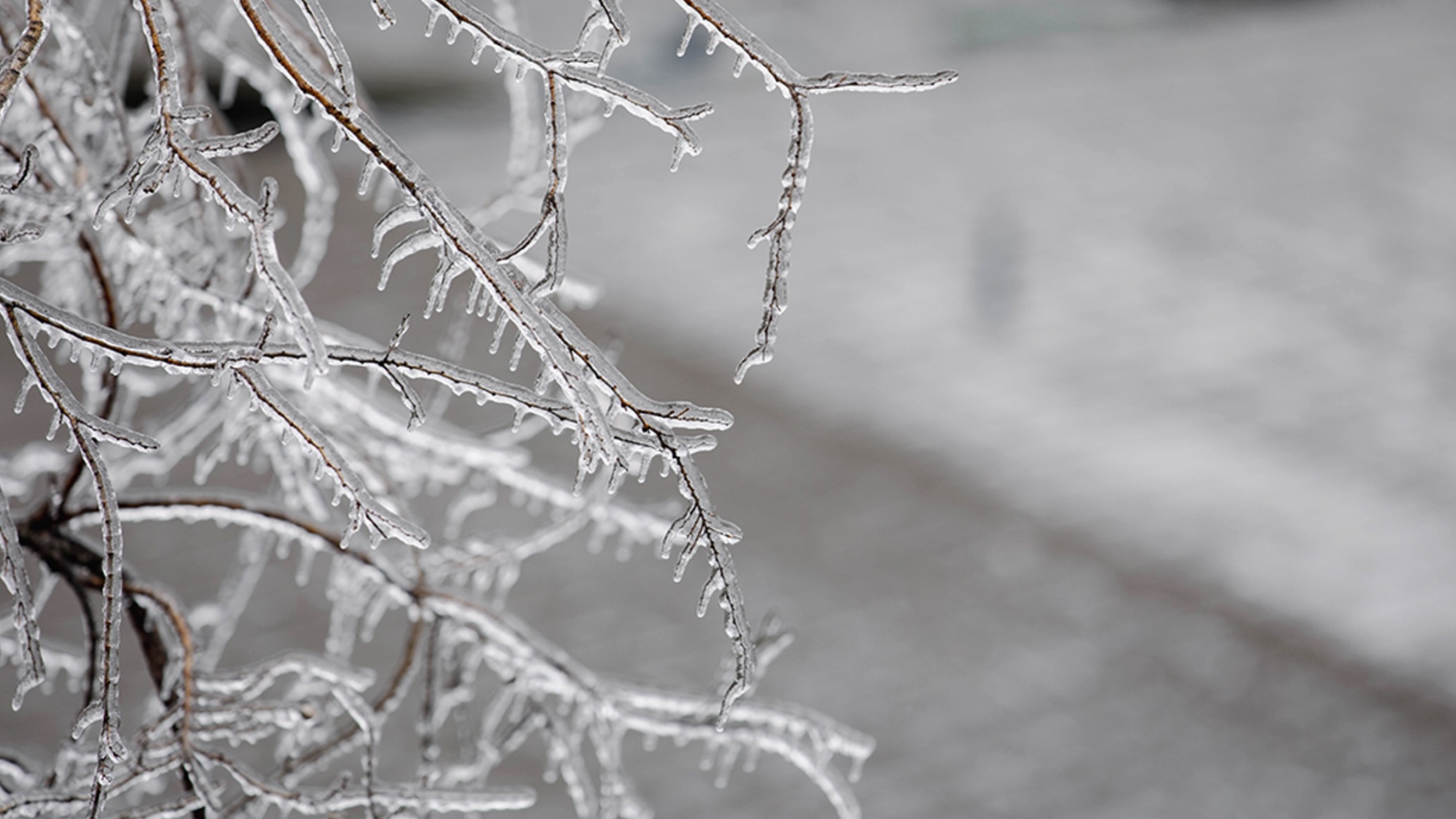
Ice is more damaging than snow in Oklahoma.
Before storms:
After storms:
Most winter tree damage we see could have been reduced with proper pruning earlier in the year.
Winter rain combined with freeze cycles exposes drainage problems.
If water pools and then freezes, it causes:
This is why winter is a good time to observe drainage patterns. What you see now helps plan spring improvements like grading or French drains.
Once temperatures rise above freezing:
Turning systems on before soil temperatures stabilize often leads to hidden leaks.
Most winter-related landscape repairs cost more in spring because:
Simple winter protection reduces emergency repairs and keeps spring maintenance predictable.