Lorem ipsum dolor sit amet, consectetur adipiscing elit. Suspendisse varius enim in eros elementum tristique. Duis cursus, mi quis viverra ornare, eros dolor interdum nulla, ut commodo diam libero vitae erat. Aenean faucibus nibh et justo cursus id rutrum lorem imperdiet. Nunc ut sem vitae risus tristique posuere.
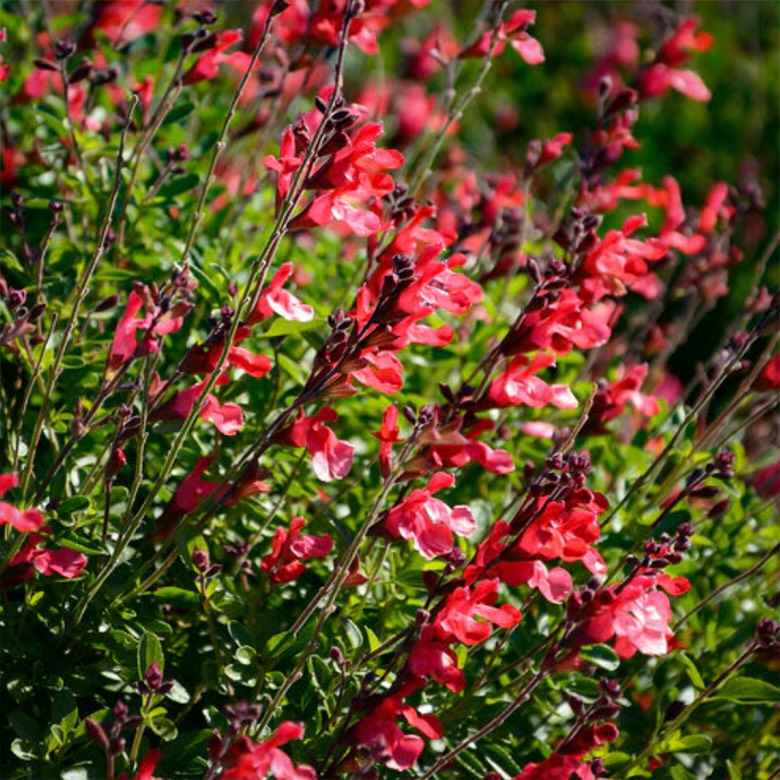
Salvia greggii, commonly called Autumn Sage, forms a rounded mound of small green leaves covered with red, tubular flowers. Blooming often begins in spring and continues in waves through fall, with heavier flowering during cooler periods.
This section shows how the plant will fit into your yard and into your life.
Bright red flowers from spring through fall
Foundation beds, pollinator gardens, mixed perennial borders, mass plantings and areas that need long-lasting color
Low. Autumn Sage is commonly included in low-allergy plant recommendations and generally produces less troublesome airborne pollen than wind-pollinated plants.
Generally considered safe and non-toxic for children, dogs and cats. However, children and pets should not be encouraged to eat landscape plants because consuming large amounts may cause temporary stomach upset.
Low. Spent flowers are small and generally blend into the planting bed.
Low. Prune the plant back to approximately 6 inches in early spring to remove winter growth and encourage a dense, full shape. Light trimming during the growing season can help refresh the plant and encourage additional blooms.
This section covers practical care information for homeowners.
Low once established. Water regularly during establishment, then allow the soil to begin drying between waterings.
Performs best in well-drained soil. Avoid areas that remain wet or receive excessive irrigation.
High. Autumn Sage is well adapted to Oklahoma heat and periods of dry weather.
Moderate to good. Deer typically avoid its aromatic foliage, although browsing can still occur when other food is limited.
Generally dependable with few serious problems. Poor drainage and overwatering are more likely to cause decline than drought once the plant is established.
Have a project in mind? As a local Oklahoma City landscape company, we’d love to hear what you’re looking for and help you determine the best next step for your property.