Lorem ipsum dolor sit amet, consectetur adipiscing elit. Suspendisse varius enim in eros elementum tristique. Duis cursus, mi quis viverra ornare, eros dolor interdum nulla, ut commodo diam libero vitae erat. Aenean faucibus nibh et justo cursus id rutrum lorem imperdiet. Nunc ut sem vitae risus tristique posuere.
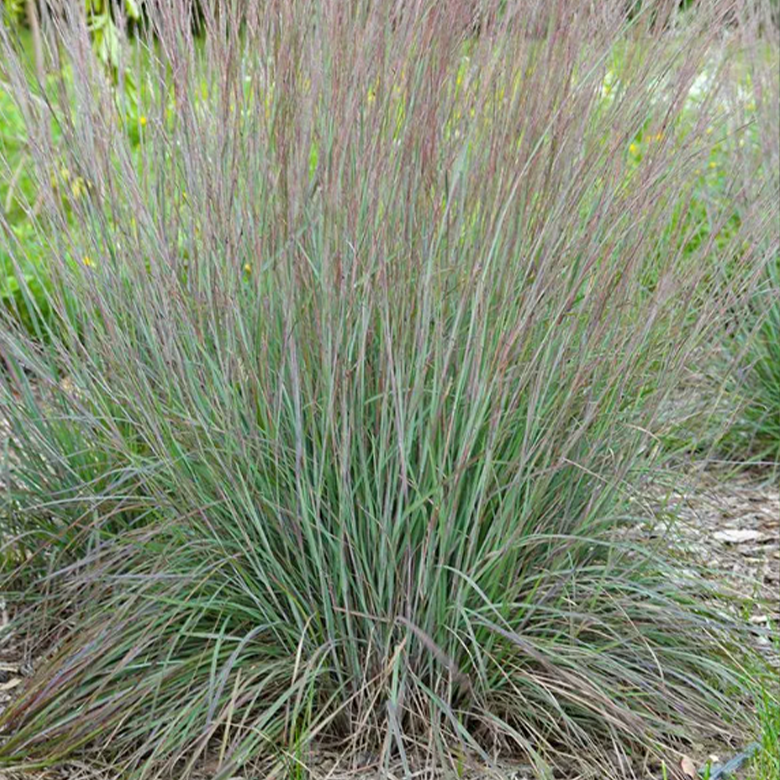
Schizachyrium scoparium, commonly called Little Bluestem, is a warm-season bunchgrass native to Oklahoma and much of North America. It forms an upright clump rather than spreading aggressively through underground runners.
Its blue-green foliage develops shades of red, orange, bronze and purple during fall. Soft, silvery seed heads provide texture and movement through winter.
This section shows how the plant will fit into your yard and into your life.
Blue-green foliage in summer, copper-orange fall color and tan seed heads during winter
Foundation beds, native gardens, mass plantings, landscape borders, dry gardens and areas needing height, movement or fall color
Moderate. Little Bluestem is a grass and produces wind-carried pollen. People with significant grass-pollen allergies may prefer not to plant it directly beside patios, entrances or frequently used seating areas.
Generally considered a low-concern plant around children, dogs and cats, with no commonly recognized toxicity issue. Children and pets should still be discouraged from chewing ornamental plants because the blades may cause minor irritation or stomach upset.
Low to moderate. Lightweight seeds and pieces of dried foliage may move around the landscape during winter.
Low. Leave the dried foliage standing through winter, then cut the plant back to approximately 4 to 6 inches in late winter or early spring before new growth begins.
This section covers practical care information for homeowners.
Low once established. Water regularly during the first growing season, then provide supplemental water during extended drought.
Tolerates clay, rocky and poor soils but performs best where water drains well. Overly rich soil or excessive fertilizer may cause the plant to become floppy.
High. Little Bluestem is well suited to Oklahoma heat and dry conditions once established.
Moderate to good. Its narrow, textured foliage is generally less appealing to deer, although browsing may still occur.
High. Little Bluestem generally has few serious insect or disease problems when planted in full sun and well-drained soil
Have a project in mind? As a local Oklahoma City landscape company, we’d love to hear what you’re looking for and help you determine the best next step for your property.