Lorem ipsum dolor sit amet, consectetur adipiscing elit. Suspendisse varius enim in eros elementum tristique. Duis cursus, mi quis viverra ornare, eros dolor interdum nulla, ut commodo diam libero vitae erat. Aenean faucibus nibh et justo cursus id rutrum lorem imperdiet. Nunc ut sem vitae risus tristique posuere.
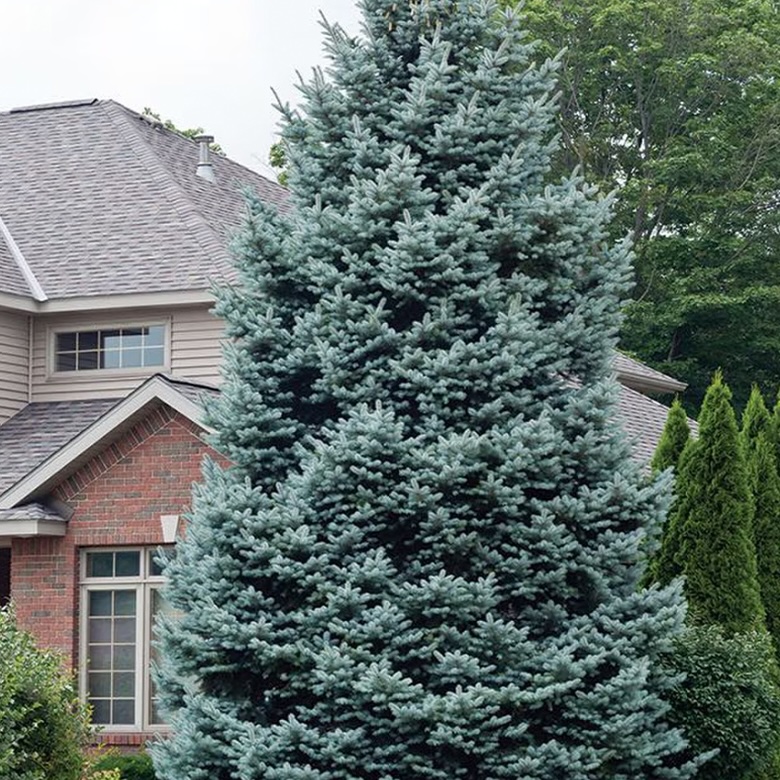
Colorado Blue Spruce is one of the most recognizable evergreen trees in American landscapes, valued for its striking blue-gray needles, strong pyramidal form, and year-round color. Known for its bold appearance and exceptional winter interest, it serves as a beautiful specimen tree, privacy screen, or windbreak. While it can grow successfully in Oklahoma, proper placement and supplemental irrigation are important for long-term performance.
This section shows how the plant will fit into your yard and into your life.
Serves as an excellent backdrop for flowering plants. Dense blue foliage stands out against dormant landscapes and snow.
Large-scale residential landscapes. Four-season landscapes. Estate-style landscapes. Focal point planting. Background evergreen structure.
Generally considered a low-allergen landscape tree. Seasonal pollen production may affect highly sensitive individuals but is usually not a significant concern.
Non-toxic to dogs and cats. No significant toxicity concerns. Sharp needles can be mildly uncomfortable if handled. Safe for family landscapes when adequate spacing is provided.
Overall cleanup requirements are relatively low for a tree of its size. Needle drop within interior canopy. Pine cones on mature trees. Occasional twig shedding during storms.
The tree naturally maintains an attractive pyramidal shape. Monitoring for insect and disease issues. Minimal pruning required.
This section covers practical care information for homeowners.
Moderate
Can adapt to Oklahoma clay soils if drainage is improved.
Colorado Blue Spruce tolerates short periods of drought once established but is not as drought-tolerant as many Oklahoma-native trees. Extended drought stress can increase susceptibility to pests and diseases.
The sharp needles typically discourage deer browsing, making it one of the more deer-resistant evergreen options available.
Stress from heat, drought, or poor drainage often increases susceptibility. Maintaining tree vigor is critical in Oklahoma landscapes.
Have a project in mind? As a local Oklahoma City landscape company, we’d love to hear what you’re looking for and help you determine the best next step for your property.