Lorem ipsum dolor sit amet, consectetur adipiscing elit. Suspendisse varius enim in eros elementum tristique. Duis cursus, mi quis viverra ornare, eros dolor interdum nulla, ut commodo diam libero vitae erat. Aenean faucibus nibh et justo cursus id rutrum lorem imperdiet. Nunc ut sem vitae risus tristique posuere.
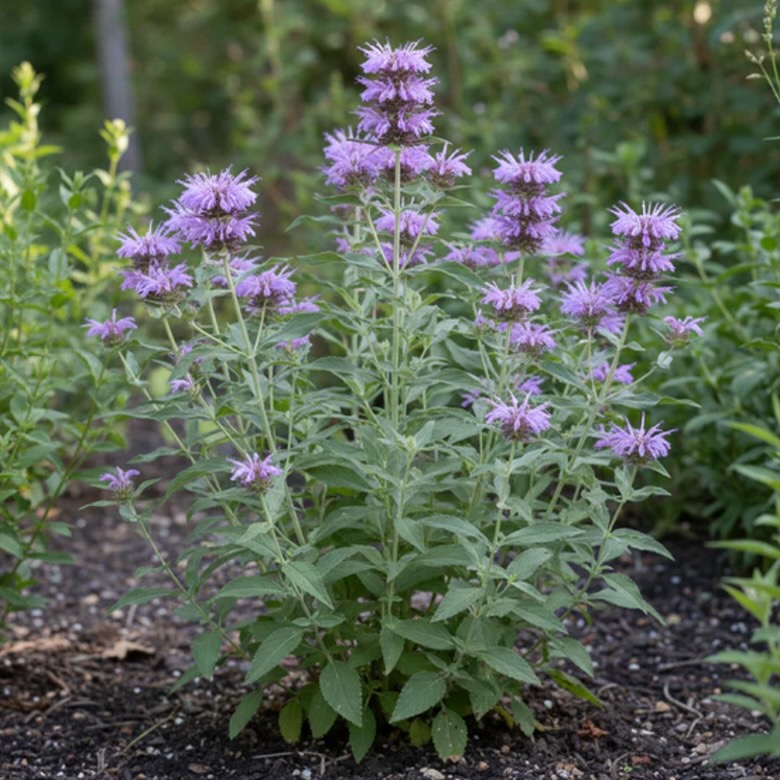
Monarda, commonly called Bee Balm, produces clusters of tubular flowers in shades of red, pink, purple or white. The leaves have a noticeable mint-like fragrance when crushed, and the plant gradually forms a larger clump over time.
This section shows how the plant will fit into your yard and into your life.
Colorful flowers during summer, followed by attractive seed heads that can remain through fall
Perennial borders, pollinator gardens, cottage gardens, rain gardens, mass plantings and naturalized landscape areas
Low for airborne pollen because the flowers are primarily pollinated by insects. However, the plant attracts many bees, so it may not be ideal directly beside seating areas or walkways used by someone with a severe bee-sting allergy.
Generally considered a low-concern plant around children and pets. The flowers and leaves of common Bee Balm species such as Monarda didyma are edible, although children and pets should not be encouraged to consume treated landscape plants.
Low to moderate. Spent flowers and dry stems may remain visible after blooming, and the plant may spread beyond its original area if not occasionally divided.
Moderate. Deadhead spent flowers to encourage continued blooming. Cut the plant back after frost or in early spring and divide crowded clumps every few years.
This section covers practical care information for homeowners.
Moderate. Keep the soil consistently moist during establishment and provide supplemental water during extended periods of heat or drought.
Performs best in fertile, moist and well-drained soil. It can tolerate heavier clay when drainage and air circulation are adequate.
Low to moderate. Wild Bergamot and related varieties tolerate drier conditions better than traditional Scarlet Bee Balm and many Monarda didyma hybrids.
Moderate to good. The aromatic foliage is generally less appealing to deer and rabbits, although browsing can still occur.
Moderate. Powdery mildew is the most common concern, especially when plants are crowded or receive poor air circulation. Choose mildew-resistant varieties and allow adequate spacing between plants.
Have a project in mind? As a local Oklahoma City landscape company, we’d love to hear what you’re looking for and help you determine the best next step for your property.